Projects
Belvedere Labs
SysML Repo Modeler
Turn GitHub repositories into explorable SysML v2 system models.
Point it at one repository or a dozen. It reads the source and writes a formal SysML v2 model of the architecture it finds — the components, the interfaces they expose, and how they connect — then renders it as a graph you can explore. Runs on your own machine against your own source.
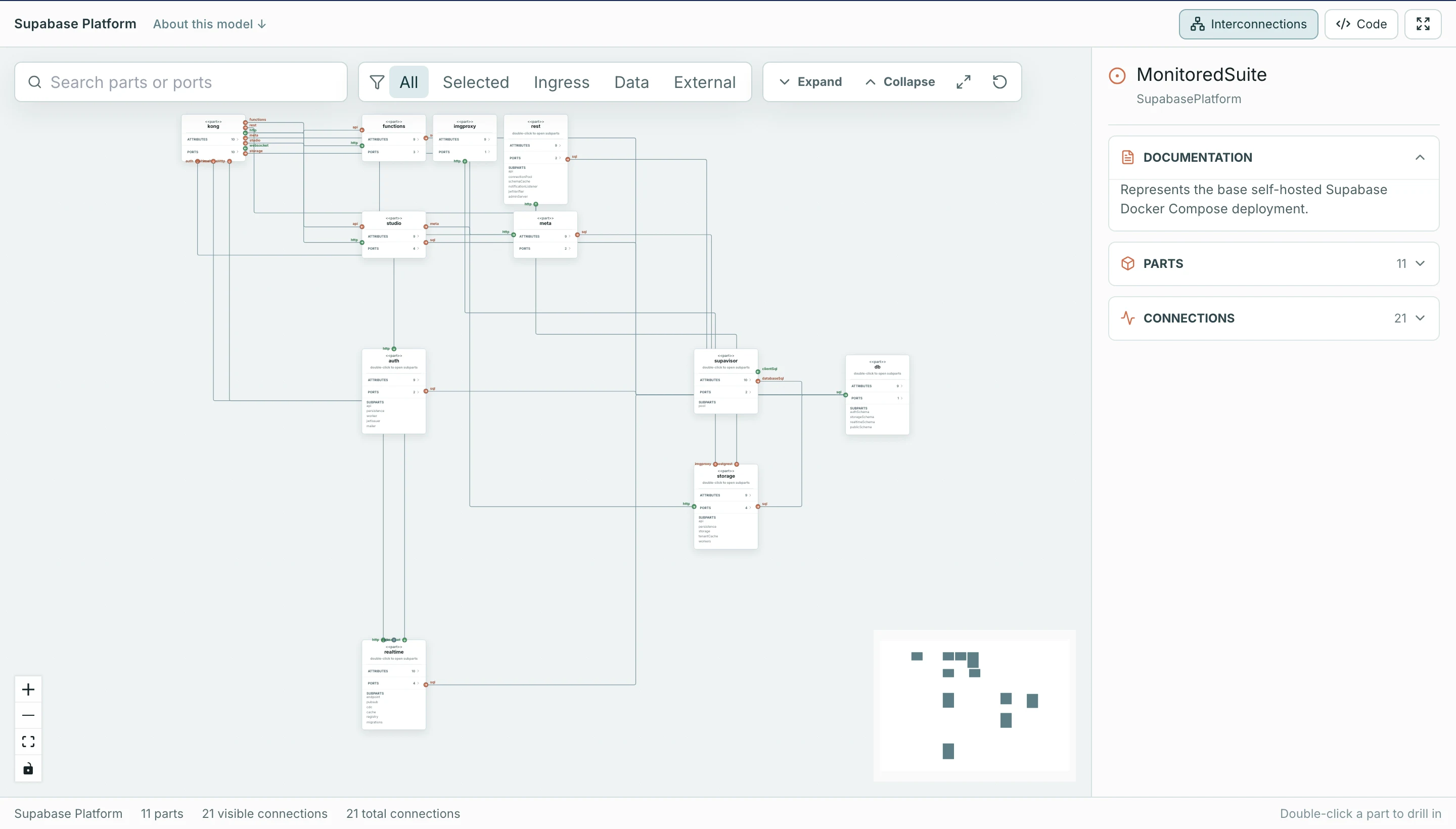
Models — open one
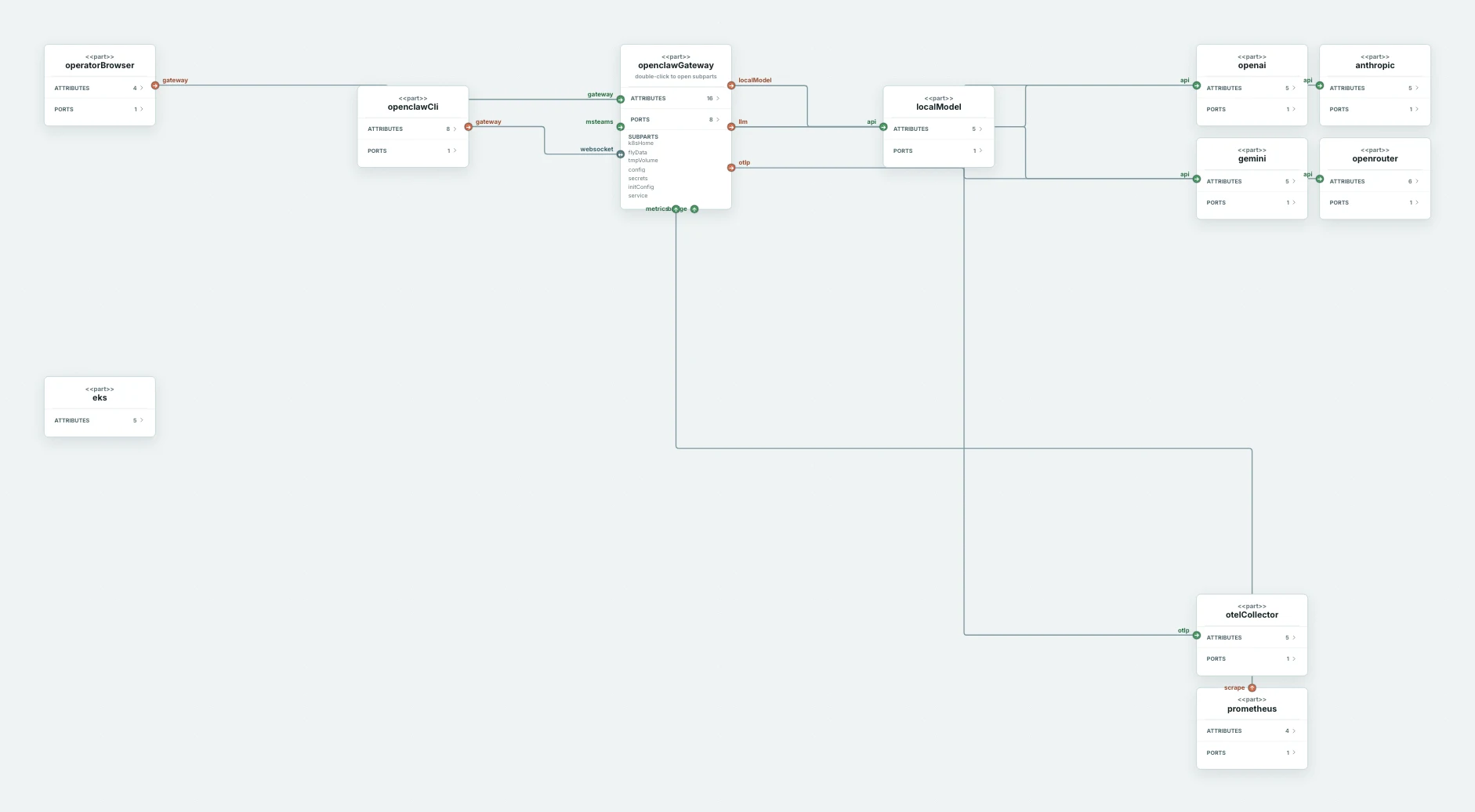
The fastest-growing repository on GitHub
1 repo · 11 parts · 9 connections
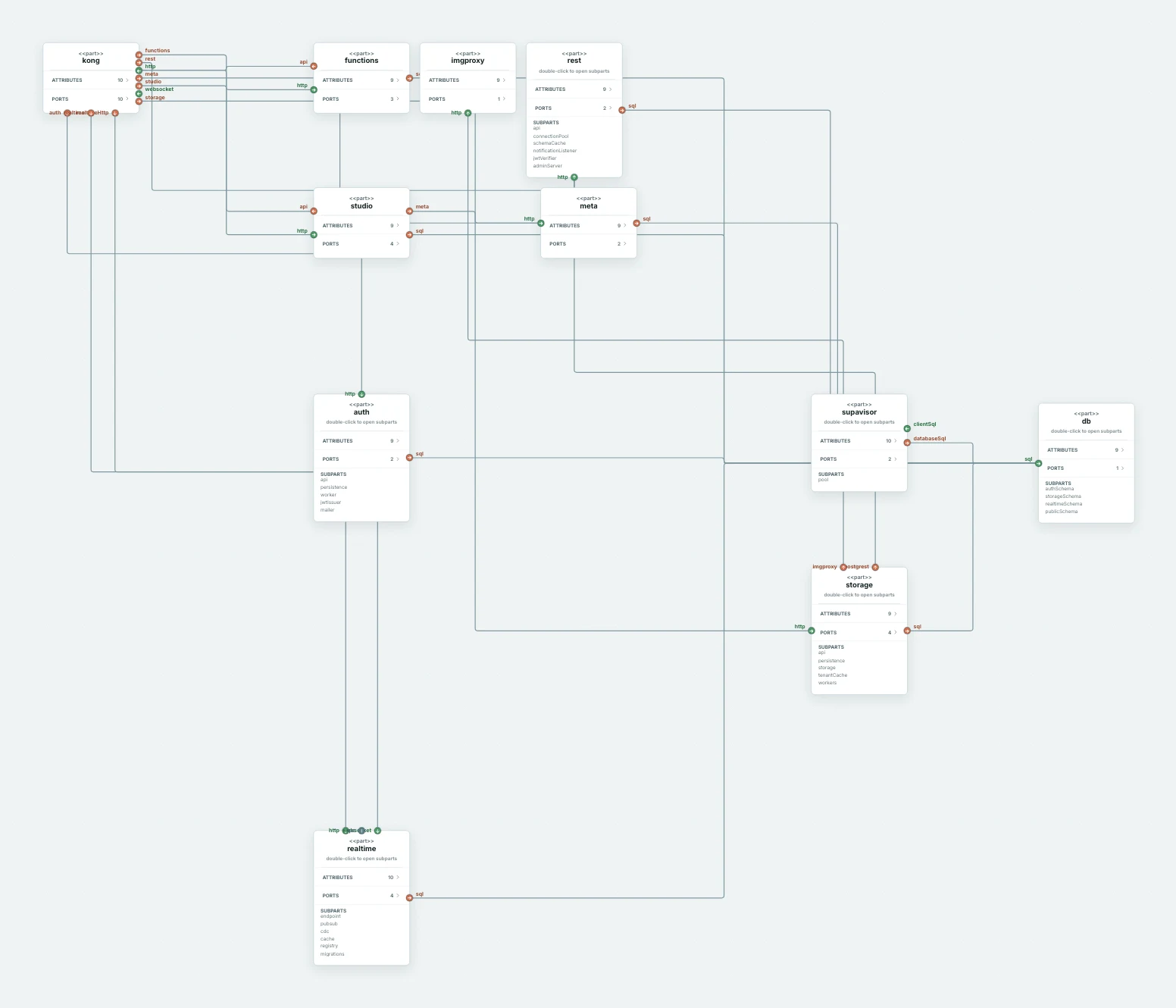
Five repositories, four languages, one system
5 repos · 11 parts · 21 connections
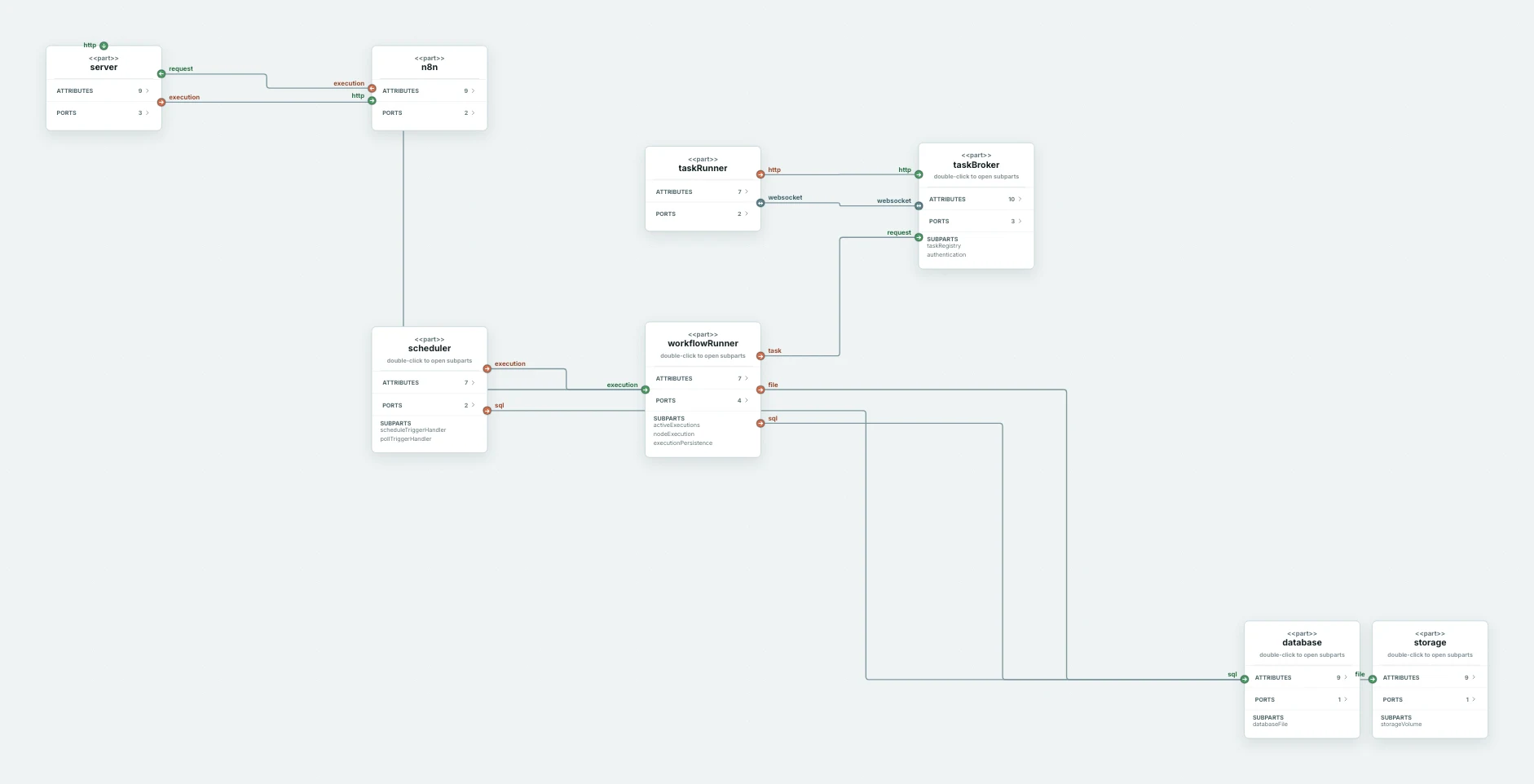
One standalone runtime, separated by responsibility
1 repo · 10 parts · 11 connections
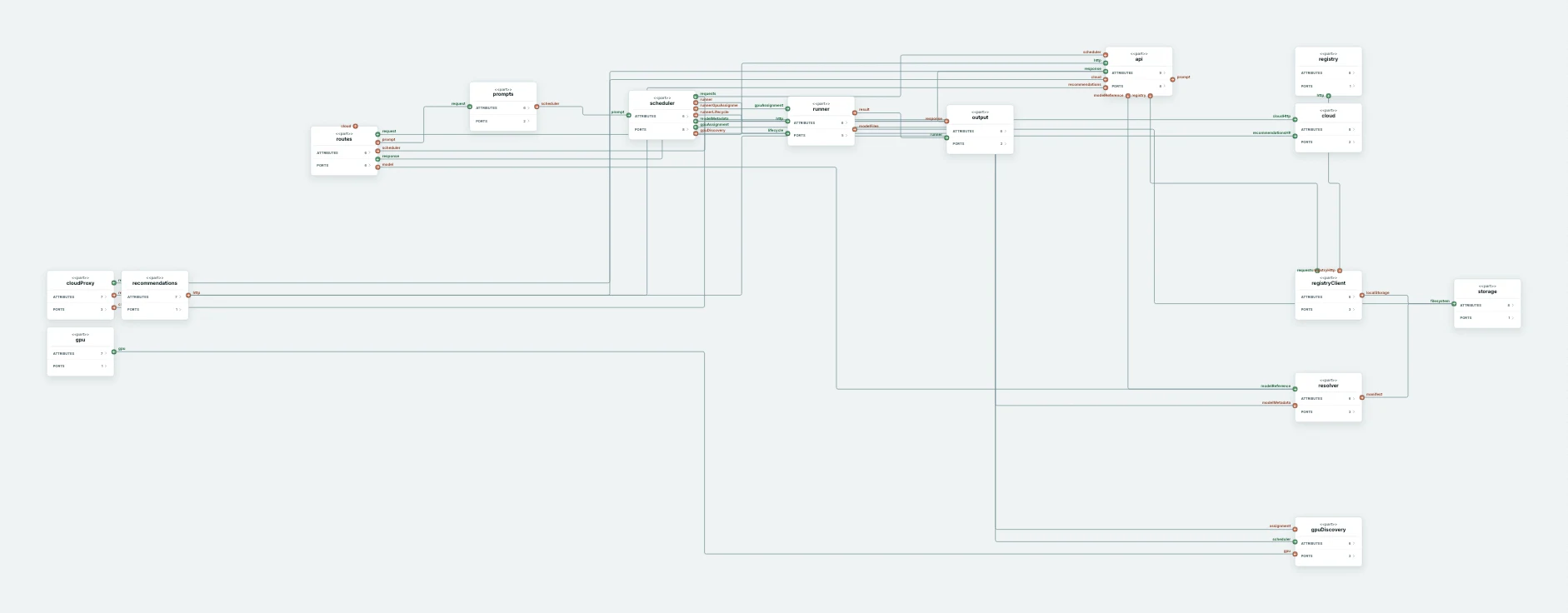
Systems code, not a web application
1 repo · 23 parts · 27 connections
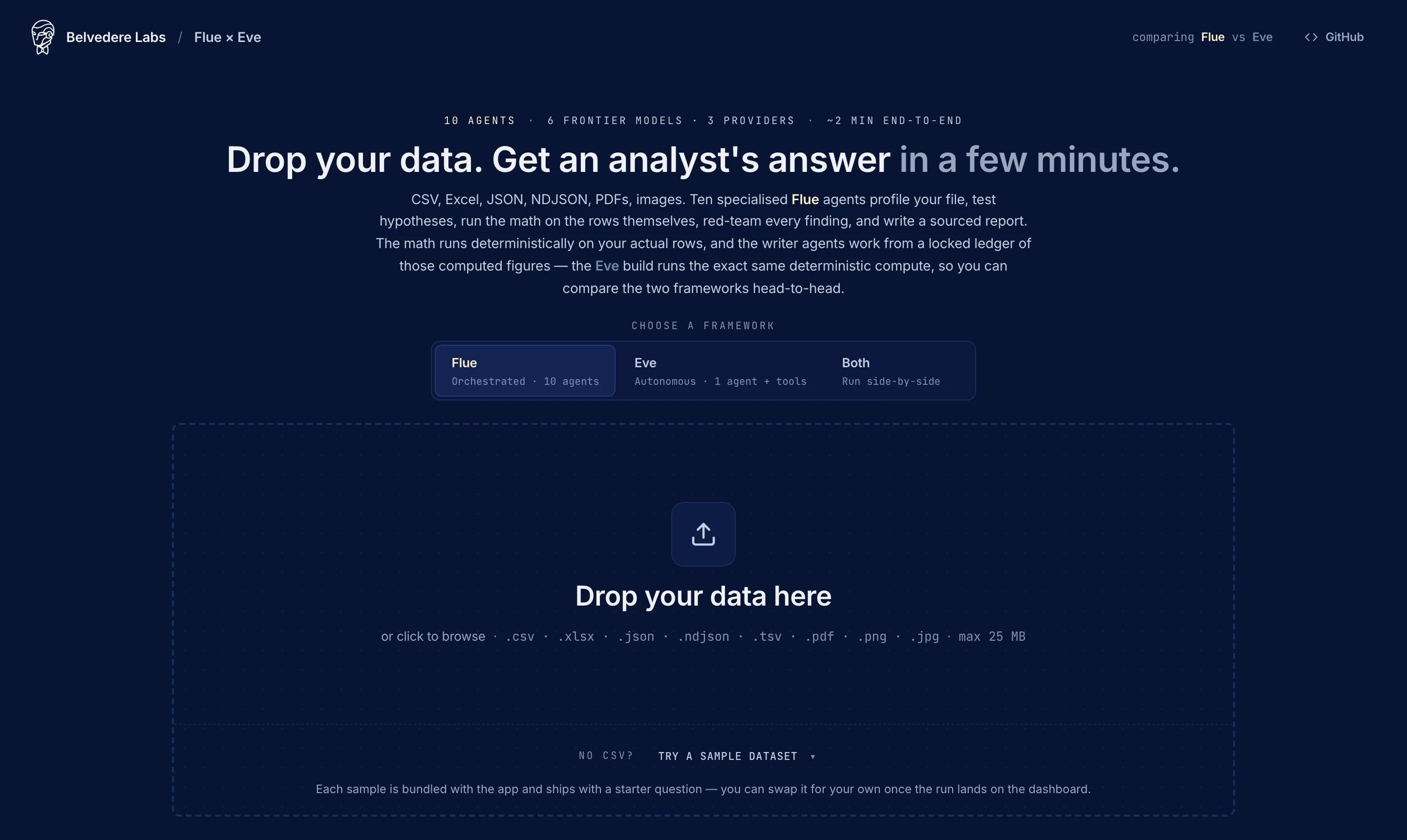
Flue Analyst
Drop in a CSV and a question. A set of agents clarifies the question, profiles the data, forms and tests hypotheses, criticises its own findings, and writes up an answer — with every step, prompt and intermediate artifact open to inspection.
Outliers
Same story, different words, measured by a decision model.
Headlines from about 100 outlets are grouped into stories. Jev, TypeSafe's System One model, reads each outlet's headline and summary with the outlet name removed and answers 5 fixed questions: how alarmed the wording is, whether it states a fact or attributes it, who it holds responsible, whether the headline outruns its summary, and whether the language is loaded. Stories where the outlets disagree rise to the top. Nobody votes, and every score opens to show the answers and probabilities that made it.
Forecast Explorer
Physics vs AI weather models, checked against what actually happened.
ECMWF and NOAA each run a traditional physics model alongside a newer AI model. We took what all four predicted 1 to 7 days ahead for 8 US cities, July to October 2026, and compared it with the official NOAA weather station record: the daily high, low and rain. Pick a city to see which model missed by the least, how often each one changed its mind, and how much a simple local bias correction helps.